









5 simple morning habits that help extend your lifespan.
Th7 27, 2022

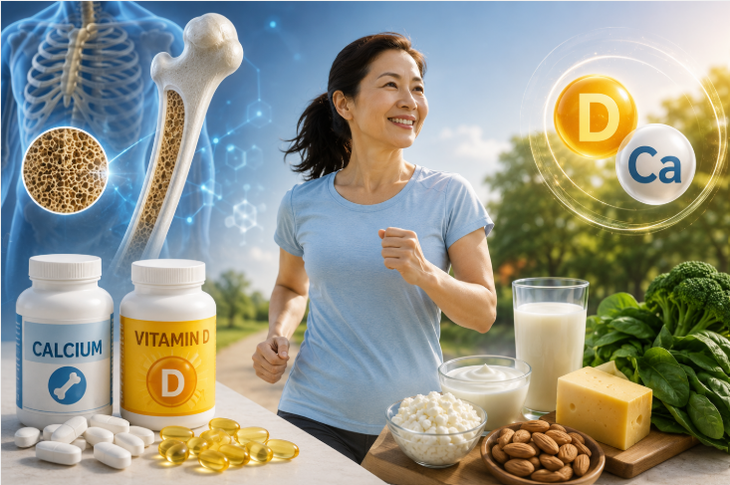
Many people consider vitamin D and calcium an essential “duo” for preventing osteoporosis and fractures in old age. However, does routine supplementation with these two nutrients actually offer bone-protective benefits for adults?
Vitamin D and calcium are considered two vital nutrients for maintaining a healthy skeletal system. Many middle-aged and older adults have adopted the habit of taking daily supplements in the hope of preventing osteoporosis, alleviating joint and bone pain, and reducing the risk of fractures.
1. Findings from a new study
A new systematic review and meta-analysis published in *The BMJ* has questioned the effectiveness of these supplements for healthy adults.
The study analyzed data from 69 randomized clinical trials involving over 153,000 adults. The results indicate that supplementation with vitamin D, calcium, or a combination of both offers little to no significant benefit in preventing fractures or falls among the majority of community-dwelling adults.
This does not mean that vitamin D or calcium are unimportant for the body. Instead, the findings suggest that bone health depends on factors beyond just taking supplements. Researchers synthesized evidence from dozens of studies conducted over many years, focusing primarily on adults not classified as being at high risk for fractures.
The results showed that:
Calcium supplementation resulted in only a very small reduction in fracture risk.
Vitamin D supplementation had virtually no effect on reducing fracture risk.
Combining vitamin D and calcium yielded only modest benefits that were not clinically significant.
There is no convincing evidence that supplementing with these two nutrients significantly reduces the risk of falls—a leading cause of fractures among the elderly.
These findings align with previous recommendations from the U.S. Preventive Services Task Force (USPSTF), which concluded that there is insufficient evidence to recommend routine vitamin D and calcium supplementation for fracture prevention in healthy adults.
2. Why are vitamin D and calcium supplements alone insufficient for strong bones?
Bone is living tissue that constantly undergoes processes of resorption (breakdown) and formation. Maintaining bone density and quality requires the coordination of multiple factors. According to Dr. Anup Khatri, an orthopedist at Gleneagles Hospital (Mumbai, India), simply taking vitamin D and calcium supplements does not guarantee stronger bones or the prevention of fractures. He emphasizes that the foundation of bone health includes a balanced diet, regular physical activity, adequate sun exposure, muscle mass maintenance, sufficient sleep, weight management, and a healthy lifestyle.
Calcium and vitamin D can be likened to building materials. Without physical activity, proper nutrition, and other supporting factors, the “house”—representing the skeletal system—cannot remain structurally sound. In particular, weight-bearing exercises such as walking, climbing stairs, and strength training stimulate natural bone formation—a process that supplements cannot replicate.
Concerns about osteoporosis and fractures in old age drive many people to turn to supplements as a simple preventive measure. Furthermore, the belief that “more is better” remains widespread. Dr. Khatri advises healthy adults against purchasing vitamin D or calcium on their own simply because others are using them or because of information found online. Supplementation should only be undertaken after a doctor has assessed the risks and prescribed them appropriately.
3. Who needs vitamin D and calcium supplements?
These research findings do not mean that everyone should stop taking vitamin D and calcium. Certain groups may still benefit from supplementation, including:
Individuals diagnosed with vitamin D deficiency via testing.
People with osteoporosis.
People with malabsorption disorders.
People taking medications that affect bone metabolism. Individuals with limited exposure to sunlight.
People recovering from certain types of fractures.
In these cases, doctors will determine the appropriate dosage and duration of use while monitoring treatment effectiveness.
4. Maintaining bone health
Experts suggest that instead of relying solely on supplements, individuals should adopt a lifestyle that promotes long-term bone health.
Recommended measures include:
Engaging in weight-bearing exercises such as brisk walking, stair climbing, or strength training.
Consuming adequate calcium-rich foods, such as milk, yogurt, cheese, small fish (eaten with bones), and leafy green vegetables.
Ensuring sufficient protein intake from sources like meat, fish, eggs, milk, beans, and soy products.
Getting appropriate exposure to morning sunlight.
Avoiding smoking and limiting alcohol consumption.
Improving balance and muscle strength to reduce the risk of falls in older age.
According to the U.S. National Institutes of Health (NIH), vitamin D plays a key role in helping the body absorb calcium and maintain bone mineralization. However, supplementation is only necessary when dietary intake or the body’s natural vitamin D synthesis fails to meet requirements.

There is no single “secret” to longevity, but small lifestyle changes—if consistently maintained—can help reduce the risk of chronic diseases,...

Garlic is not merely a familiar culinary ingredient; it is also a medicinal herb that has long been used in the traditional medicine of various countries,...

Th7 27, 2022


(0) Bình luận
Viết bình luận